Functional Movement Rehabilitation – Spine
Learn how to restore spinal movement, reduce pain and take your treatment beyond the table.
-
Progressive movement rehabilitation for the thoracic and lumbar spine
-
Combine mobility, stretching and functional movement training
-
Build structured rehab programmes from basic to advanced levels
-
80+ CPD Hours
-
50+ Manual Therapy Techniques
-
Full Diploma Certification
-
IAOMM Accredited
Who is this Course for?
-
Osteopaths and chiropractors
-
Physiotherapists and sports therapists
-
Manual therapists moving into rehabilitation-based treatment
-
Movement specialists and trainers working with MSK clients
Why this Matters
-
Rely heavily on passive treatments
-
Lack structured rehabilitation programmes
-
Are unsure how to progress patients beyond basic exercises
Learning Outcomes
-
Understand the role of movement in spinal rehabilitation
-
Assess mobility and functional movement limitations
-
Design structured rehabilitation programmes for spinal conditions
-
Apply progressive movement and stretching techniques
-
Improve patient outcomes through long-term rehabilitation strategies
Take your treatment beyond the table
Course Curriculum
Theories
-
Neurophysiological effects of stretching and movement
-
Principles of movement and flexibility
-
Patient examination and movement assessment
-
Rehabilitation programming and progression strategies
-
Integrating movement into clinical treatment
Techniques
-
Thoracic spine mobility rehabilitation (Levels 1–4)
-
Lumbar spine mobility rehabilitation (Levels 1–4)
-
Posterior and anterior chain flexibility training
-
Progressive stretching and movement techniques
-
Assisted stretching and Muscle Energy Techniques
-
Patient-led and follow-along rehabilitation exercises
Learn more about what you'll cover:
Neurophysiological Effects of Movement and Stretching
Patient Examination and Programme Design
Thoracic Spine Mobility Rehabilitation
Lumbar Spine Mobility Rehabilitation
Posterior and Anterior Chain Flexibility
Progressive Movement and Stretching Techniques
Muscle Energy and Assisted Stretching Techniques
How it Works
-
Full theory on movement, flexibility and neurophysiology
-
Progressive rehabilitation programmes (Levels 1–4)
-
Thoracic and lumbar spine mobility training
-
Posterior and anterior chain movement work
-
Follow-along exercise demonstrations
-
Exercise prescription guidance
-
12 months online access
-
30 hours of certificated CPD
-
Fully certificated diploma on completion
How this Course Helps
-
Understand the neurophysiological effects of movement and stretching
-
Assess patient movement and mobility restrictions
-
Build structured rehabilitation programmes
-
Progress patients from basic to advanced movement levels
-
Integrate stretching, movement and manual techniques into treatment
-
Improve spinal mobility in the thoracic and lumbar regions
Your Instructor
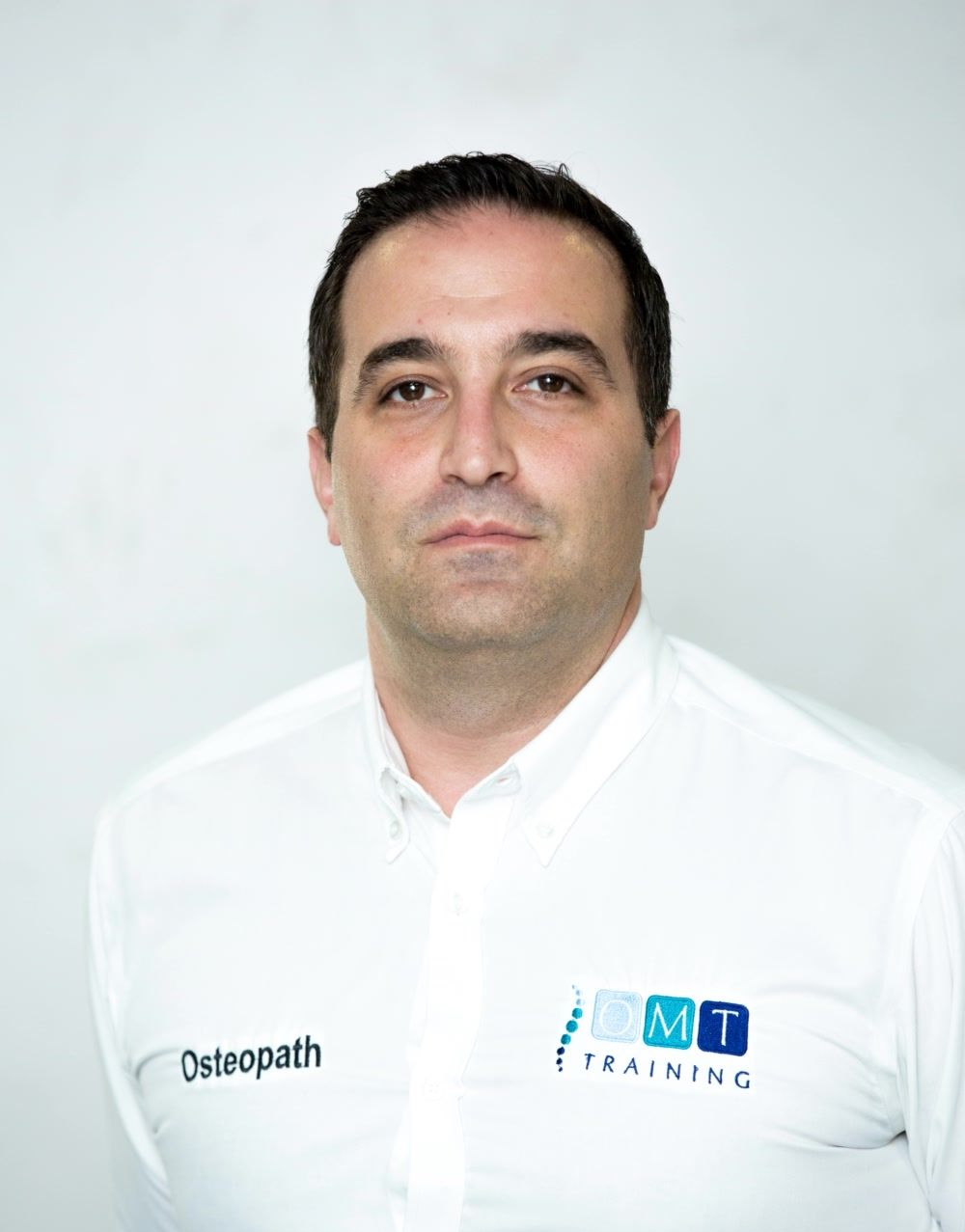
Jimmy Michael
You're Always in Safe Hands with OMT
Did you know?
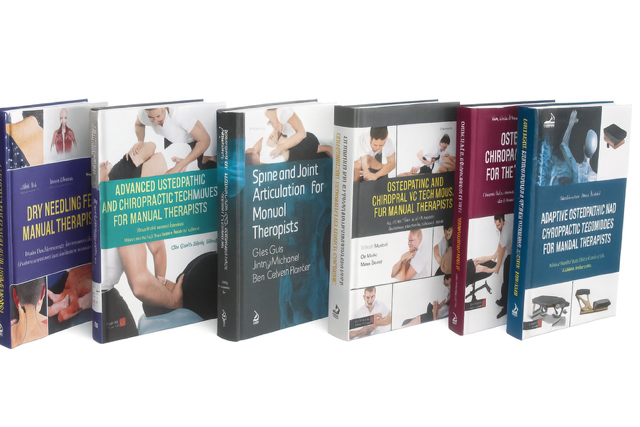
OMT Training is Trusted by Elite Global Institutions.
Why Trust Anyone Else?
Level Up Your Learning
All OMT courses are accredited by the International Association of Manual Medicine (IAOMM)
Frequently Asked Questions
What prior experience do I need?
Some courses are advanced and require specific prior qualifications, such as dry needling, acupuncture, or HVLA manipulation training. Any prerequisites will be clearly listed on the individual course page.
If you are unsure whether a course is suitable for your qualifications or experience, please review the course information or contact the OMT team before enrolling.
Can I claim CPD hours/points?
Yes. OMT courses are designed to support
Continuing Professional Development (CPD) and include a specified number of CPD
hours upon completion.
Our courses are widely recognised across
manual therapy and allied healthcare professions, including osteopathy,
chiropractic, physiotherapy, sports therapy, and massage therapy.
As CPD requirements can vary between professions and countries, we recommend checking with your own professional or regulatory body if you require confirmation of acceptance.
What's included in the course fee?
- Full access to all online course content for 12 months (unless stated otherwise)
- High-definition video tutorials and clinical demonstrations
- Structured learning modules designed to support step-by-step learning
- Supporting theory, practical guidance, and downloadable resources (where applicable)
- CPD certificate upon successful completion of the course
You can study at your own pace and revisit the materials at any time during your access period.
How long do I have access to the course?
All OMT courses include 12 months
(unless stated otherwise) of online access, giving you the flexibility to study
at a pace that suits your schedule and learning style.
Throughout your access period, you can
revisit video tutorials, theory modules, clinical demonstrations, and
supporting resources as often as you need to reinforce key concepts and refine
your practical skills.
You can learn anytime, from anywhere, on your preferred device, whether you complete your training in a few days or spread it over several months.
Will I receive a certificate?
Yes. Upon successful completion of an
OMT course, you will receive a digital certificate recognising your achievement
and confirming your participation in the programme.
Many of our courses also award a fully
certificated diploma, while selected programmes include an educational
transcript detailing the course content, learning outcomes, and CPD hours
completed.
These certificates and diplomas can be
used as evidence of Continuing Professional Development (CPD) and ongoing
postgraduate education. They provide a valuable record of your training and may
support professional portfolios, appraisals, insurance requirements, or
membership renewal with relevant professional bodies, where applicable.
The type of certification awarded is clearly stated on each individual course page.
How does insurance work?
Students may already be covered through
their existing professional indemnity and public liability insurance,
particularly where they are qualified healthcare or allied health professionals
completing the course as postgraduate CPD within their existing scope of
practice.
Where additional cover is required,
insurance may be available through independent insurance providers, subject to
the student’s qualifications, professional scope, country of practice,
declarations, policy terms and exclusions.
Students are responsible for checking with their current insurer, employer, professional body or another suitable insurance provider before using any new skill in practice. OMT Training is not an insurance provider or broker and cannot guarantee insurance cover for every student.
What's your refund policy?
How are courses assessed?
For courses that require practical competency assessment, learners may be asked to submit video evidence demonstrating specific techniques, clinical reasoning, patient positioning, safety procedures, communication skills, and treatment application. These submissions allow assessors to evaluate practical proficiency and confirm that the required standards have been achieved.
Testimonials
Quote 1
Sports Therapist, UK
Quote 2
Osteopath, France
Quote 3
Chiropractor, UAE
Quote 1
Sports Therapist, UK
Quote 2
Osteopath, France
Quote 3
Chiropractor, UAE
Build better long-term outcomes for your patients
Copyright © 2025